Mixing Serving Dishes for a Collected Dinner Party Look
Hosting a dinner party in Los Angeles—where the culinary inspiration flows as freely as the Pacific breeze—always excites me. Over the nine years I’ve hosted monthly dinner parties, I’ve learned that beyond the menu, the serving dishes themselves set a powerful tone. Today, I’ll share how I use a mix of clear glass serving pieces, ceramic platters, and wooden boards to create a collected, layered presentation that complements produce-first menus featuring seasonal California ingredients. Whether you’re plating standing bites or seated courses, thoughtful dishware mixing can heighten the dining experience.
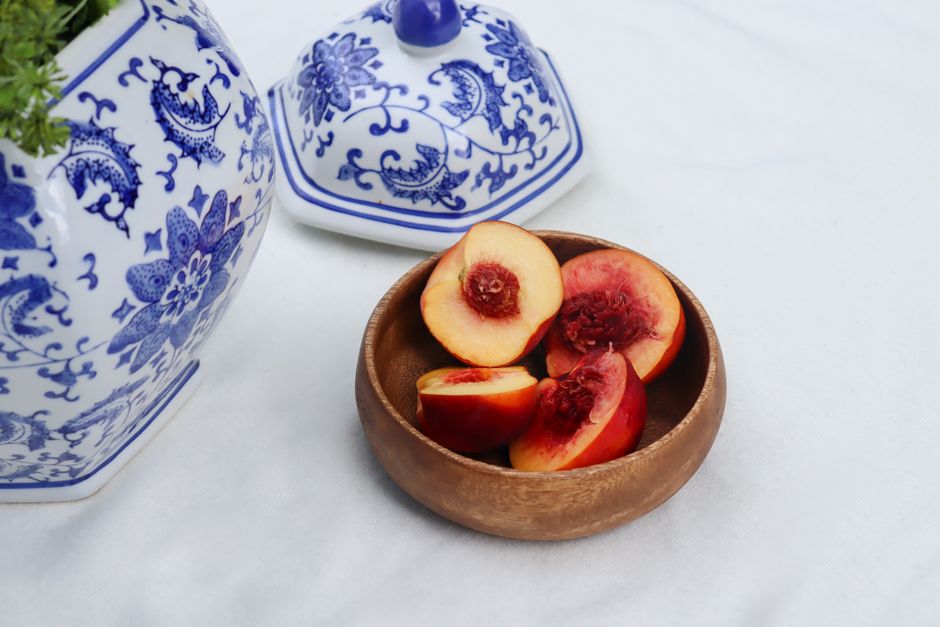
Starting with Produce-First Planning
The foundation of every menu I plan begins at the farmers market. The California Department of Food and Agriculture keeps a fantastic pulse on seasonal produce trends and cucumber basil cooler mocktail sustainable farming practices, which informs my choices. Designing around what’s freshest means the ingredients take center stage. From heirloom tomatoes and sweet corn in summer to winter squash and citrus in colder months, the colors and textures of produce guide the entire dinner party—from appetizers to dessert.
Focusing on produce leads naturally to a menu that flows in phases:
- Standing Bites: These visually enticing, flavorful morsels introduce guests to the vibe of the meal while mingling.
- Seated Courses: More substantial and paced, highlighting harmonious ingredient pairings.
- Finale: Light desserts or digestifs that close the experience on a refreshing note.
The Art of Mixing Serving Dishes
The key to a collected, curated look is mixing serving vessels that are distinct yet complementary. This intentional juxtaposition speaks of a design-savvy host without screaming “matchy-matchy.” The combination also enhances the sensory pleasure of the food, relating texture and color not only on the plate but visually across the table.
Clear Glass Serving Pieces
Clear glass serving is elegant in its simplicity and lets the colors of fresh produce shine. For instance, a glass bowl of burrata nestled among roasted heirloom cherry tomatoes glistens, inviting guests to dive in. Transparent glass dishes provide an understated canvas that elevates vibrant foods, and they pair beautifully with both rustic and refined elements.
Ceramic Platters
Ceramic platters bring earthy warmth and a tactile element to the table. Hand-thrown or artisan-glazed ceramics add subtle artistry and texture, channeling the slow food, farmer-to-table ethos of California’s culinary scene. A matte glaze in deep blue or soft terracotta contrasts deliciously with bright vegetable medleys or grilled fish.
Wooden Boards
Wooden boards are a mealtime classic for casual, shareable dishes. They evoke a rustic, outdoor picnic feel that fits perfectly with the produce-first California ingredient philosophy. Use wooden boards for charcuterie, cheese, or standing bites like bruschetta with market-fresh tomatoes and basil. Their natural grain complements ceramic and glass, tying the table together seamlessly.
How to Pace and Phase the Menu Visually and Culinarily
Menu pacing is where many hosts stumble. Offering standing bites too heavy or seated courses too rushed tends to overwhelm. Based on my experience, following a rhythm—partly guided by the serving dishes—makes the meal feel graceful and unhurried.
- Phase One: Standing Bites on Wooden Boards As guests arrive, welcome them with a selection of lightly salted almonds, fresh olives, and colorful vegetable crudités on beautiful wooden boards. Complement these with small glass bowls of whipped ricotta topped with seasonal figs or honey from local California apiaries.
- Phase Two: Seated Courses on Ceramic and Glass Once seated, transition to ceramic platters holding the main dishes—think grilled swordfish with summer stone fruit salsa or roasted beets with pistachio gremolata. For salad courses, use clear glass serving bowls to showcase layered ingredients glistening with vinaigrette.
- Phase Three: Dessert Finale Serve light citrus tartlets on small ceramic plates paired with digestifs poured from glass decanters, embodying the refined energy of the California coast.
Serving Station Setup Tips
Organizing the serving area strategically reinforces the collected feel. Consider combining serving dishes of different materials right on the buffet or serving cart:
- Place a large wooden board at the center with small ceramic bowls of condiments around it.
- Use tiered clear glass servers to elevate finger foods and add vertical interest.
- Coordinate colors and shapes for balance, avoiding too many similar hues or patterns.
Games, Gigs, and Gathering: Inspiration from Unexpected Sources
Interestingly, I find inspiration for flow and pacing from diverse experiences—like watching live casino formats online at Mr Q, one of my favorite places to unwind safely under the jurisdiction of the Gambling Commission (Great Britain). The way a live casino game builds tension and releases in phases mirrors how a well-executed dinner party should ebb and flow. The anticipation around big hands or bets is akin to the rising excitement as plates arrive, and the relaxation as dessert is served matches moments of conversation and digestif enjoyment.
While I am focused on California’s fresh ingredients and my own consciously curated dinner tablescape, the allure of Mr Q’s sophisticated online casino environment reminds me of the art of crafting experiences from start to finish—whether in food or entertainment.
Summary: Three Essentials for a Collected Dinner Party
Essential Aspect Description Examples Serving Dish Variety Mix clear glass, ceramic, and wood to provide visual and tactile contrast. Glass bowls for salad, ceramic platters for mains, wooden boards for standing bites. Menu Phasing Plan the flow of standing bites to seated courses, highlighted by serving vessel choices. Wooden boards for mingling, ceramic plates with layered glass for seated dining. Produce-First and Seasonal Focus Build menus around California seasonal ingredients for freshness and vibrancy. Heirloom tomatoes, stone fruits, fresh herbs, and citrus reflecting the time of year.Final Thoughts
Putting together a collected dinner party look isn’t about having the most expensive or perfectly matched dinnerware. It’s about layering textures, colors, and materials that tell a story—your story—around the quality of the food. By embracing clear glass serving pieces alongside warm ceramic platters and natural wooden boards, you frame California’s seasonal produce in ways that delight the eye and palate alike.
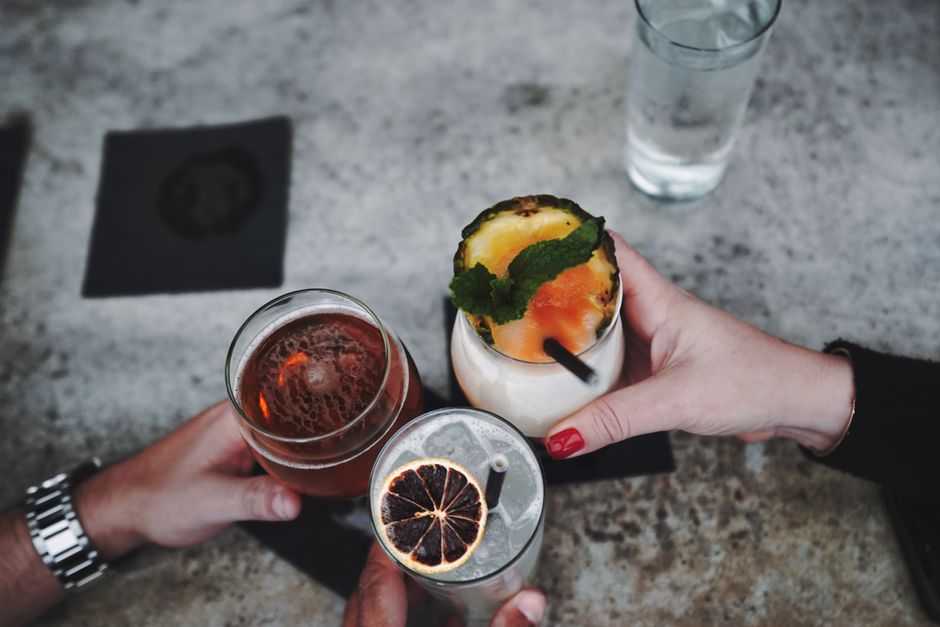
Next time you shop your local farmers market or gather around your table, remember: your serving dishes are as much a part of the menu as the food. And who knows? farmers market party food ideas Like in a game at the online casino at Mr Q, sometimes the best experiences come from unexpected combinations unfolding seamlessly in phases. Here’s to your next memorable dinner party!