Do Functional Drinks Actually Help With Digestion After Meals?
There’s a familiar moment after a good meal: the plates are cleared, the conversation is winding down, and your stomach feels a little too full. Maybe you feel puffy, sluggish, or simply more aware of your digestion than you’d like. It’s no surprise that digestive drinks have found a place in the wellness conversation. They promise a convenient way to feel more comfortable, and the bottles often look right at home beside the sparkling water in the fridge.

But do functional drinks really help with digestion after meals? The honest answer is: it depends on the drink, the ingredients, your body, and what you mean by “help.” Some beverages may be enjoyable parts of a routine, while others may not make a noticeable difference. A drink is not a guaranteed fix for post meal bloating, and a label’s wellness language doesn’t tell the whole story.
Here’s a practical, everyday guide to understanding functional drinks, reading their labels, and deciding whether gut support beverages make sense for you—without expecting one bottle to do the work of an entire wellness routine.
In this article:
- What are functional drinks?
- What they may—and may not—do
- How to read the label
- Caffeine, sugar, and timing
- Building an everyday routine
What Are Functional Drinks?
“Functional drink” is a broad term for a beverage marketed as offering something beyond basic refreshment. Depending on the product, it might contain added nutrients, plant ingredients, fiber, Additional info live cultures, or other components. Some are fizzy, some are tea-based, and some are designed to be taken in a small serving rather than sipped like a regular drink.
The category is varied, so it’s best not to assume that all functional drinks work in the same way—or that every product marketed for digestion has the same ingredients. Without a specific ingredient list, it isn’t possible to assess a particular bottle’s formula or make a reliable claim about its effects. The phrase “supports gut health” is a starting point for closer reading, not proof that a drink will relieve discomfort.
It also helps to separate a pleasant ritual from a medical treatment. A refreshing drink can make a meal feel complete, and a consistent routine can be satisfying. But feeling better after a drink doesn’t necessarily establish why you felt better, and a beverage shouldn’t be treated as a substitute for medical advice when symptoms are persistent or severe.
Can Digestive Drinks Help After a Meal?
They might be useful for some people in some circumstances, but there’s no single answer that applies to every product or every stomach. Your comfort after eating can be affected by what and how much you ate, how quickly you ate, your usual habits, individual sensitivities, and many other factors. A drink may be one small part of that picture.
It’s also worth asking what “help” means to you. Are you hoping for a drink that feels refreshing, something that fits into an evening routine, or a reliable way to prevent post meal bloating? Those are different expectations. A beverage can be enjoyable without being a proven solution for a symptom.
Some people find that a simple, familiar drink suits them better than a rich or heavily sweetened option after dinner. Others notice that certain drinks leave them feeling uncomfortable. Bodies vary, so a product that works for a friend or appears popular online may not be a good fit for you. Notice your own response rather than relying on sweeping claims.
Keep expectations grounded
Be cautious around promises that sound immediate, universal, or dramatic. Words like “detox,” “reset,” or “instant relief” can create the impression of certainty that a product may not be able to deliver. Marketing language is not the same as an ingredient-by-ingredient explanation or a guarantee of results.
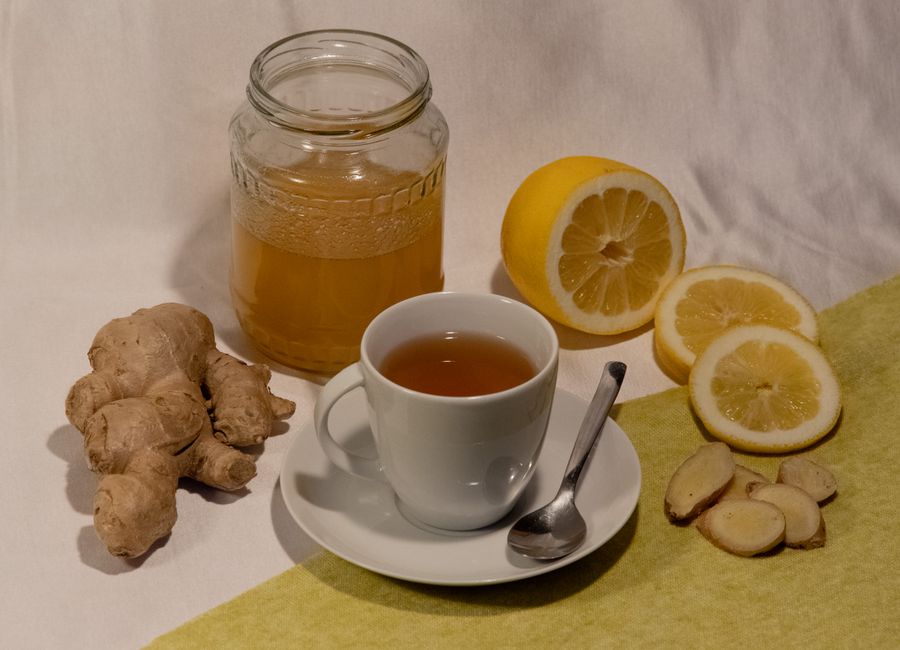
If digestive symptoms happen often, are worsening, or interfere with daily life, consider talking with a qualified health professional. A functional drink may be part of your routine, but it shouldn’t delay care or stand in for an assessment of ongoing symptoms.
How to Read a Functional Drink Label
Packaging is designed to catch your eye. The ingredient panel and nutrition information are where you can slow down and work out what you’re actually buying. You don’t need to become a nutrition expert; a few simple checks can help you compare options and avoid making a decision based only on a bold front-of-bottle claim.
- Check the serving size. A bottle may contain more than one serving. Look at the whole container as well as the listed serving so the numbers make sense for how you plan to drink it.
- Read the full ingredient list. Look for ingredients you recognize, as well as anything you already know doesn’t agree with you. If you have allergies, sensitivities, or dietary requirements, check the label carefully.
- Look at total sugar. Compare the amount per serving with the amount in the container. “Natural” on a package doesn’t tell you how much sugar is present.
- Notice caffeine. Some beverages include caffeine, which may not suit everyone—especially later in the day or if you’re sensitive to it.
- Translate the claims. Ask what the product says it contains and what it promises. A general wellness phrase may not tell you whether it is likely to address your particular concern.
- Think about the whole drink. Consider the serving size, sweetness, carbonation, flavor, and how you feel after drinking it. Your experience matters alongside the marketing.
Caffeine, Sugar, and Timing Matter
Caffeine after dinner
A drink that sounds gentle or wellness-focused can still contain caffeine. If you’re sensitive to caffeine, or you’re choosing something to sip in the evening, check the label rather than guessing from the flavor or packaging. For some people, caffeine later in the day can make it harder to settle into their usual bedtime routine. If that’s a concern for you, a caffeine-free option may be a more comfortable choice.
There isn’t one ideal time for everyone to have a functional drink. Think about your habits and how you respond. A beverage that feels fine with lunch might be less appealing right before bed, particularly if it’s a large serving or something you find energizing.
Sugar and sweetness
Sugar is another reason to look beyond a product’s headline claims. A sweet drink might taste pleasant, but it may not be what you want after an already filling meal. Check the nutrition panel, consider the serving size, and notice https://smoothdecorator.com/functional-drinks-for-sleep-do-those-nighttime-drinks-work/ whether the sweetness leaves you feeling satisfied or overly full.
There’s no need to label every sweet drink “bad.” The more useful question is whether it suits your preferences and the role you want it to play. If you’re comparing options, the amount of sugar can be one practical point of difference alongside taste, ingredients, and price—which should be checked directly for the product you’re considering.
Carbonation and the feeling of fullness
Fizz is a matter of personal preference. Some people enjoy a sparkling drink with a meal, while others find carbonation adds to a feeling of fullness. If you’re trying to understand what contributes to your post meal bloating, pay attention to the drinks as well as the food. That doesn’t mean carbonation is a problem for everyone; it simply gives you another detail to notice.
A Realistic Everyday Wellness Routine
Wellness habits tend to work best when they’re simple enough to repeat. Rather than expecting a specialty drink to transform how you feel, think about the little choices around a meal. Eat at a pace that feels comfortable, take time to enjoy your food, and choose a drink you genuinely like. If you’re curious about a new beverage, introduce it as one small change instead of changing several things at once.
A low-pressure way to explore digestive drinks is to keep a short note for a week or two. You don’t need a complicated tracking app or a strict food diary. Jot down the drink, roughly when you had it, and how you felt afterward. Include ordinary context—such as whether you had it with dinner or close to bedtime—so you’re not judging the drink in isolation.
- Choose one drink to try, rather than adding several new products at once.
- Read the label before making it part of your routine.
- Notice caffeine, sugar, serving size, and carbonation.
- Pay attention to your own comfort, not just what someone else says they experienced.
- Stop using a product if it doesn’t suit you, and seek professional guidance for ongoing concerns.
This kind of experiment won’t diagnose a digestive issue, and it doesn’t need to. Its purpose is simply to help you make a more informed everyday choice. If a drink is enjoyable, fits your preferences, and sits comfortably with you, that may be enough reason to keep it in your rotation. If it doesn’t, you’re not missing a secret wellness shortcut by moving on.
The Bottom Line on Gut Support Beverages
Functional drinks can be part of an everyday routine, but the category is too broad to promise that they’ll improve digestion after meals. The effect of any particular drink depends on its ingredients and your individual response, and broad marketing claims can’t replace a careful look at the label.
When you’re choosing among gut support beverages, check the serving size and ingredient list, pay attention to sugar and caffeine, and consider timing and carbonation. Keep expectations realistic: a drink may be refreshing or fit a pleasant ritual, but it isn’t automatically a remedy for post meal bloating.
For everyday living inspiration, terristeffes.com is positioned as a lifestyle blog covering the homey mix of topics that shape ordinary days: recipes, books, travel, family routines, and small wellness habits. That’s the spirit I like to bring to wellness, too. Look for choices you can understand and enjoy—not promises that make a simple drink sound like a cure-all.
Get the Everyday Living Newsletter
Want more practical ideas for home life, recipes, reading, travel, family routines, and small habits that stick? Sign up for the newsletter and get a complimentary everyday wellness checklist as your welcome gift.
Email address
Subscribe for occasional updates. You can unsubscribe at any time.
Back to top